
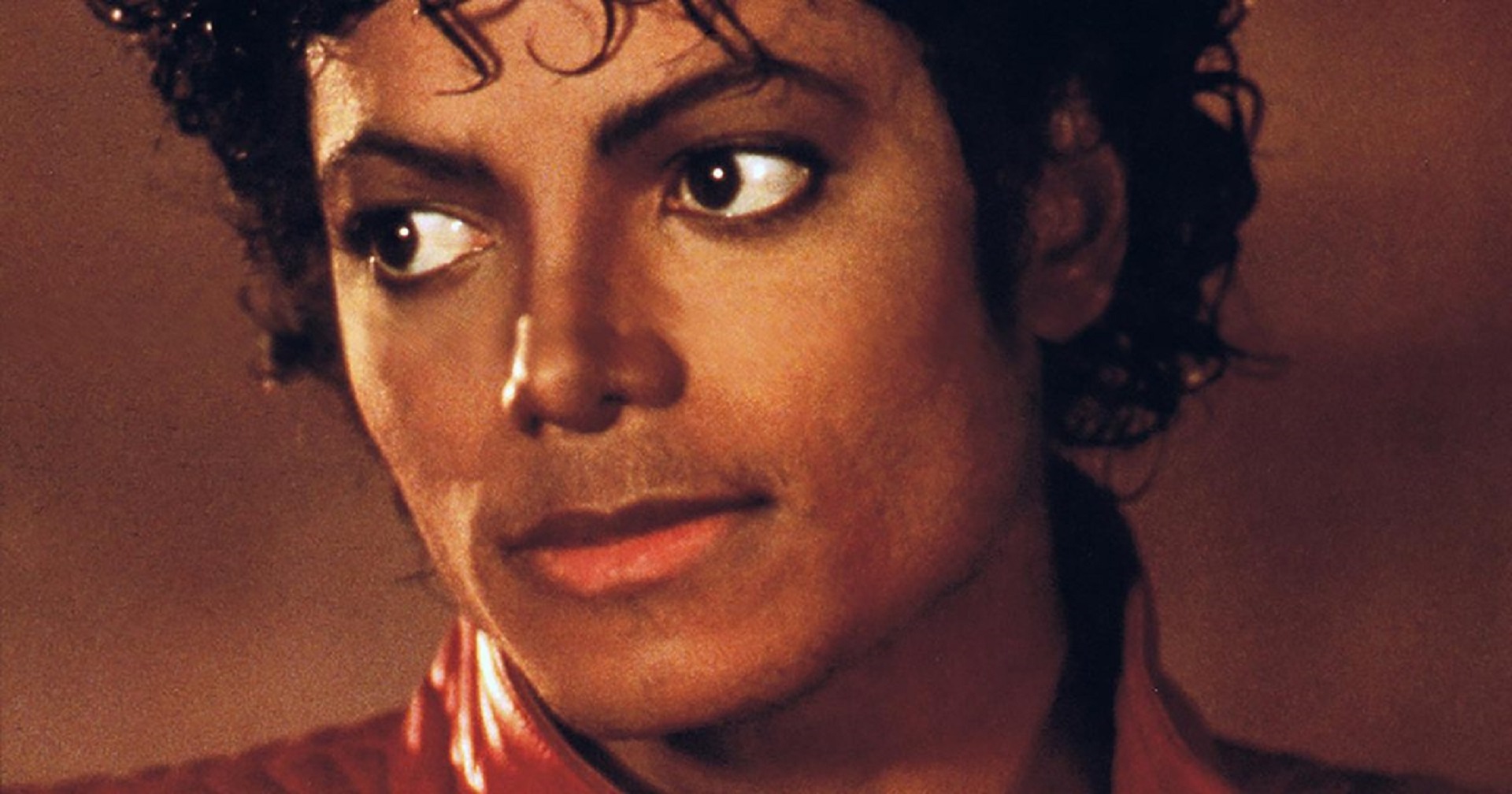
Michael Jackson, known globally as the King of Pop, passed away on June 25, 2009, at the age of 50. His sudden death shocked millions, leaving behind questions that lingered for years. The official cause was cardiac arrest induced by acute propofol intoxication — a powerful anesthetic typically used in surgical settings.
Jackson had been preparing for a massive comeback tour, This Is It, which put significant physical and emotional pressure on him. According to source, Jackson was experiencing sleep disorders and chronic fatigue. To combat insomnia, his personal physician, Dr. Conrad Murray, administered nightly doses of propofol in a home setting — an unsafe practice outside of hospital supervision.
The Los Angeles County Coroner classified Jackson’s death as a homicide, attributing it to the combination of sedatives and propofol administered by Dr. Murray. In 2011, Murray was convicted of involuntary manslaughter and sentenced to four years in prison, serving two years before being released on parole (source).
Investigations also revealed a troubling pattern of prescription drug use in Jackson’s final years. Multiple medications were found in his system, including lorazepam and midazolam, both central nervous system depressants. Experts concluded that the combination of these drugs significantly suppressed Jackson’s respiratory system, ultimately leading to his death (source).
Jackson’s passing sparked global mourning and renewed scrutiny of celebrity medical treatment. It also highlighted the risks of powerful medications being used inappropriately to manage stress and sleep issues. While Jackson’s legacy lives on through his music, his death remains a sobering reminder of how fame, pressure, and inadequate medical care can intersect with fatal consequences.